

Truck Braking System
What is Truck Braking System
Truck braking system is a mechanism that allows a truck driver to slow down or stop the vehicle. The system is essential for safety reasons because large trucks can carry heavy loads and travel at high speeds. The braking system typically includes several components, including the brake pedal, brake lines, brake cylinders, brake pads or shoes, brake drums or rotors, and a master cylinder. When the driver pushes the brake pedal, hydraulic pressure is generated and forced into the brake cylinders, which then engage the brake pads or shoes and press them against the brake drums or rotors to create friction and slow down or stop the truck. Truck braking systems often include advanced features such as anti-lock brakes (ABS) and electronic stability control (ESC) to improve safety and stability on the road. Additionally, regular maintenance of the braking system is crucial to ensure that it is functioning correctly and prevent accidents.
Advantages of Truck Braking System
Improved safety:A truck braking system is designed to ensure the safety of the driver, passengers, and other road users. The system provides reliable and efficient braking to help prevent accidents and reduce the risk of injuries.
Reduced wear and tear:A well-maintained braking system can significantly reduce the wear and tear on various components of the truck such as the engine, transmission, tires, and suspension. This increases the longevity of the truck, resulting in lower maintenance costs.
Improved handling:A properly functioning braking system improves the handling and control of the truck. The driver can quickly and accurately adjust the speed and direction of the truck, making it easier to navigate difficult terrain and avoid obstacles.
Increased efficiency:A well-designed braking system can improve the overall efficiency of the truck by reducing the amount of energy required to brake. This can result in increased fuel efficiency and reduced operating costs.
-
 Truck Parts Brake Bottom PlateModel number:. Place of Origin: Xi'an, Shaanxi. Product nature: original brand new parts. Product Features: 1. Support brake assembly 2. Material selection 3. Thermal management 4. Dust-proof designAdd to Inquiry
 -
 Four Circuit Protection ValveModel number:. Place of Origin: Xi'an, Shaanxi. Product nature: original brand new parts. Product features: 1. Four-circuit design 2. Independent control 3. Emergency braking function 4. Anti-lockAdd to Inquiry
 -
 Hand Brake Valve for TruckModel number:. Place of Origin: Xi'an, Shaanxi. Product nature: original brand new parts. Product features: 1. Manual operation 2. Multiple valve types 3. Compact design 4. Durable materials 5.Add to Inquiry
 -
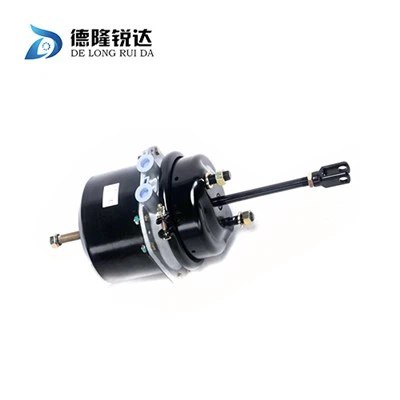 Truck Brake Chamber SupportModel number:. Place of Origin: Xi'an, Shaanxi. Product nature: original brand new parts. Product features: 1. Independent control 2. Multi-channel design 3. Electronic control 4. Anti-lock brakingAdd to Inquiry
 -
 Truck Brake Master PumpModel number:. Place of Origin: Xi'an, Shaanxi. Product nature: original brand new parts. Product features: 1. Hydraulic pressure generation 2. Master cylinder design 3. Vacuum assist system 4.Add to Inquiry
 -
 Heavy Duty Truck Brake LiningsModel number:. Place of Origin: Xi'an, Shaanxi. Product nature: original brand new parts. Product features: 1. Made of friction material 2. Good heat dissipation performance 3. Low noise design 4.Add to Inquiry
 -
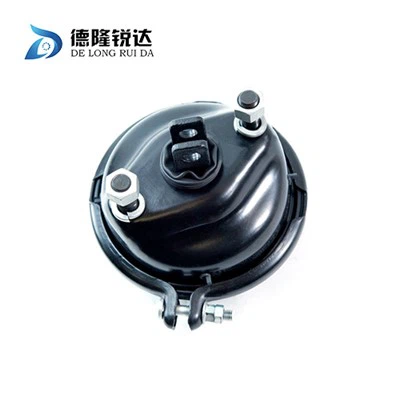 Truck Spring Brake ChamberModel number:. Place of Origin: Xi'an, Shaanxi. Product nature: original brand new parts. Product features: 1. Diaphragm spring structure 2. Pneumatic drive 3. Distributed braking force 4. HighAdd to Inquiry
 -
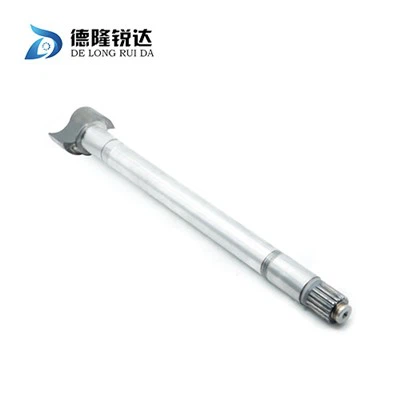 Brake S CamshaftModel number:. Place of Origin: Xi'an, Shaanxi. Product nature: original brand new parts. Product features: 1. Braking force adjustment 2. Distributed braking function, converting air pressure intoAdd to Inquiry
 -
 Air Processing Unit(Apu)Model number:. Place of Origin: Xi'an, Shaanxi. Product nature: original brand new parts. Product features: 1. Filtration system 2. Temperature and humidity regulation 3. Ventilation system 4.Add to Inquiry
 -
 Adjusting ArmModel number:. Place of Origin: Xi'an, Shaanxi. Product nature: original brand new parts. Product features: 1. Adjustment function 2. Corrosion resistance 3. Strength and stiffness 4. LightweightAdd to Inquiry
 -
 Truck Part Brake Shoe AssemblyModel number:. Place of Origin: Xi'an, Shaanxi. Product nature: original brand new parts. Product features: 1. Powerful braking force 2. Large capacity design 3. High temperature resistant design 4.Add to Inquiry
 -
 Brake Caliper AssyModel number:. Place of Origin: Xi'an, Shaanxi. Product nature: original brand new parts. Product features: 1. Braking force transmission 2. Thermal stability 3. Wear resistance and durability 4.Add to Inquiry


- Tel: +8618966763362
- WhatsApp: +8618966763362
- Email: sales@dlrd-truckparts.com
- Add: No.191, Group 2, Panluo Village, Xinzhu Street Office, International Port Area, Xi'an City, Shaanxi Province, China.
Why Choose Us
24H online service
You can contact us to inquire about pre-sales, sales, and after-sales services, and we will give you a very satisfactoryWe are at your service online 24 hours a day.
Rich experience
Dedicated to strict quality control and attentive customer service, our experienced staff is always available to discuss your requirements and ensure complete customer satisfaction.
High quality
Our products are manufactured or executed to very high standards, using the finest materials and manufacturing processes.
One-stop solution
With rich experience and one-to-one service,we can help you choose products and answer technical questions.
Types of Truck Braking System
Hydraulic braking system
A hydraulic braking system is a type of braking system commonly used in vehicles wherein the force exerted by pressing the brake pedal is transmitted through a fluid, usually brake fluid, to actuate the braking mechanism. The hydraulic system consists of several components including the brake pedal, master cylinder, brake lines, brake calipers, and brake pads or shoes. When the brake pedal is pressed, the master cylinder creates hydraulic pressure which applies the brakes.
Air braking system
An air brake system is a type of braking system for vehicles that use compressed air to operate the brakes. The air brake system is commonly used in large commercial vehicles such as trucks, buses, and trains. The system uses compressed air to control the brake pads or shoes, which apply pressure to the vehicle's wheels to slow or stop its movement. Air braking systems are preferred for their reliability and high power, making them effective in heavy-duty applications.
Anti-lock braking system (ABS)
Anti-lock braking system (ABS) is a safety feature in vehicles that prevents the wheels from locking up during sudden braking or emergency situations, thus maintaining traction and allowing the driver to steer the vehicle while coming to a stop. ABS works by sensing the speed of each wheel and modulating the brake pressure to prevent the wheel from skidding. This system helps to prevent accidents, minimize stopping distances, and ensure better control and stability of the vehicle during braking.
Hydraulic retarder
Hydraulic retarder is a type of brake system typically used in heavy trucks and buses to slow down the vehicle by converting kinetic energy into heat. It works by using the transmission's fluid pressure to restrict the movement of the wheels, effectively slowing them down. This significantly increases the braking power of the vehicle, particularly when traveling downhill on long descents or in other situations where extra stopping power is required.
Truck braking systems use hydraulic pressure to create friction between the brake pads and the brake rotors in order to bring the vehicle to a stop. The system consists of various components, including the master cylinder, brake booster, brake lines, calipers, and pads. When the driver presses the brake pedal, the master cylinder creates hydraulic pressure, which is then multiplied by the brake booster to increase the force applied to the brakes.The hydraulic pressure travels through the brake lines to the calipers, which apply pressure to the brake pads. These pads then create friction against the brake rotors, causing the vehicle to slow down or come to a stop.Some trucks also have additional braking systems, such as air brakes or engine brakes, which work in conjunction with the hydraulic system to help slow down the vehicle in a controlled manner. Regular maintenance and inspection of the braking system is crucial to ensure it is functioning properly and can safely stop the vehicle in any situation.
Components of Truck Braking System
Brake pedal
The brake pedal is the part of the braking system that the driver uses to apply pressure to the brake pads or shoes.
Brake master cylinder
The brake master cylinder is a part of the braking system that converts the force from the brake pedal into hydraulic pressure.
Brake lines and hoses
Brake lines and hoses are the components that transport brake fluid from the master cylinder to the brake calipers or drums
Brake calipers and pads
Brake calipers and pads are the parts of the braking system that apply pressure to the brake rotors to slow down or stop the vehicle. They work by squeezing the rotor with brake pads.
Brake drums and shoes
Brake drums and shoes are the components of a drum brake system that come into contact with each other to slow or stop the vehicle.
Antilock brake system (ABS)
An ABS is an electronic system that prevents the wheels from locking up during braking, providing the driver with more control of the vehicle.
Parking brake system
A parking brake system is designed to prevent the vehicle from moving when parked or on an incline. It is usually activated by a hand lever or foot pedal.
Brake boosters
Brake boosters are used to increase the force applied to the brakes pedal, making it easier for the driver to brake quickly and efficiently. They work by using a vacuum from the engine or hydraulic pressure to amplify the force applied to the brake pedal.
How to Maintain Truck Brake System
Regular inspection
Regular inspection of the brake system is crucial to ensure that the brake components are in good working condition. Check the brake pads, discs, calipers, and other components of the brake system for signs of wear and tear. Check the brake fluid level regularly.
Proper use
Do not overload the truck beyond its permissible limit. Overloading can put a lot of stress on the brake system and increase wear and tear. Be cautious while driving through traffic, avoid sudden braking and use the engine brake.
Change brake fluid
Brake fluid should be changed every two years to ensure that the fluid is free of contaminants and moisture. Brake fluid absorbs moisture from the atmosphere over time, which can lead to corrosion and damage to the brake system.
Replace brake pads
Brake pads should be replaced once they have worn out or become thin. Do not wait for them to become too thin as that could cause irreparable damage to the brake caliper and the rotor.
Replace components when required
If any components of the brake system, such as the master cylinder or the brake booster, are damaged or worn out, they should be replaced immediately.
Get it serviced by professionals
Servicing the truck brake system regularly by a professional technician will help to keep it in top condition and reduce the risk of brake failure on the road.
Differences Between Car and Truck Braking Systems
Size and weight
One of the primary differences between car and truck braking systems is the difference in the size and weight of the vehicles. Trucks are generally larger and heavier than cars, which means that their braking systems need to be more powerful in order to slow and stop the vehicle effectively.
Hydraulic system
Both car and truck braking systems use hydraulic power to apply brake force to the wheels. However, the hydraulic system in a truck is typically larger and more complex than in a car, with larger brake lines, larger brake calipers and different types of brake fluid.
Brake pads and rotors
The brake pads and rotors used in truck braking systems are generally larger and more durable than those used in car braking systems. This is because trucks use their brakes more often and need to be able to withstand the additional stress and strain of constant use.
Drum brakes vs disc brakes
While both cars and trucks can have either drum brakes or disc brakes, drum brakes are more commonly found on trucks. Drum brakes are cheaper, simpler and more durable than disc brakes, making them a better choice for heavy-duty vehicles.
ABS systems
Anti-lock braking systems (ABS) are standard on most cars and many trucks today. However, ABS systems in trucks are generally more sophisticated than those in cars, with additional sensors and controls to manage the increased weight and momentum of the vehicle.

How to Reduce the Failure Rate of Truck Braking Systems
Regular maintenance
Regular maintenance of the truck braking system can help to identify and fix any issues before they become more serious. Timely replacement of worn or damaged brake parts can help to ensure that the system functions properly and reduces the chances of failure.
Proper training
Drivers should receive proper training on how to operate the braking system and how to identify potential issues. This can help to reduce the chances of driver error which can lead to brake failures.
Quality parts
Using quality brake parts that meet or exceed industry standards can help to ensure the proper functioning and longevity of the braking system. Inferior parts can result in brake failure and increase the risk of accidents.
Adequate cooling
Truck braking systems generate a lot of heat during operation. Proper cooling of the braking system can help to reduce the chance of brake fade and improve overall performance.
Advanced technology
The use of modern braking systems that incorporate advanced technology such as anti-lock braking systems (ABS) and electronic stability control (ESC) can also help to reduce the risk of brake failure and improve overall safety.
Difference Between Brake Drums and Brake Discs in Truck Braking Systems
Brake drums and brake discs are two different types of braking systems used in truck braking. The main difference between them lies in their design and how they function.
Brake drums are a common type of braking system found in trucks. They are large, cylindrical-shaped steel drums that are attached to the wheels of the truck. When the brakes are applied, the brake shoes press against the inside of the drum, causing the drum to slow down and ultimately bring the truck to a stop. Brake drums are typically used in heavy-duty trucks because they can withstand high temperatures and pressures, making them ideal for heavy loads and extended use.
On the other hand, brake discs are a type of braking system that involves a rotor or disc that is attached to the wheel hub. When the brakes are applied, hydraulic pressure causes the brake pads to clamp onto the rotor, causing friction, which slows down the truck until it stops. Brake discs are typically smaller and lighter than brake drums, making them ideal for lighter trucks and vehicles. They can also dissipate heat more quickly, reducing the risk of brake fade during extended use.
Overall, the choice between brake drums and brake discs largely depends on the type of truck and the application it is being used for. Heavy-duty trucks typically use brake drums because of their durability and ability to handle extreme conditions, while lighter trucks and vehicles may benefit from the lighter weight and quicker heat dissipation capabilities of brake discs.
FAQ
Q: What is a truck braking system?
Q: What are the different types of truck braking systems?
Q: How do drum brake systems work?
Q: How do disc brake systems work?
Q: What are the advantages of disc brake systems over drum brake systems?
Q: What maintenance is required for a truck braking system?
Q: How can I tell if my truck's braking system needs attention?
Q: What are the primary components of a truck braking system?
Q: What are some common problems with truck braking systems?
Q: How often should I have my truck's braking system inspected?
Q: Can I drive my truck with a faulty braking system?
Q: How can I tell if my truck's brakes need to be replaced?
Q: What are the benefits of an anti-lock braking system (ABS)?
Q: How do air brakes work?
Q: How do hydraulic brakes work?
Q: How do truck drivers check their braking systems?
Q: What are the common problems with truck braking systems?
Q: Who is responsible for ensuring that truck braking systems are in good condition?
Q: What should drivers do if they experience braking system failure?
Q: Can I replace the brake pads on my truck myself?
As one of the leading truck braking system manufacturers and suppliers in China, we warmly welcome you to wholesale high-grade truck braking system for sale here from our factory. Contact us for free sample.
Adjusting Arm, Four Circuit Protection Valve, Hand Brake Valve For Truck